
Wholesaler vs Distributor
A wholesaler buys products in bulk from manufacturers and resells to retailers; a distributor has a formal agreement with a manufacturer, often with exclusive territory rights and added services.
Quick Answer
Distributor: Has an exclusive relationship with manufacturers; provides support services. Wholesaler: Buys from multiple sources; focuses on volume and price, no exclusivity.
Where each sits in the supply chain
Both are intermediaries in the same chain: manufacturer → distributor → wholesaler → retailer → customer. A distributor sits closest to the manufacturer, usually under a formal contract and often the exclusive channel for that brand in a territory. A wholesaler sits one step further down, buying from distributors or several manufacturers and reselling to retailers on price and volume rather than exclusivity.
They are not mutually exclusive. In electronics, a company might be the exclusive distributor for one brand of laptops — handling that manufacturer's warranty, training, and marketing — while also acting as a wholesaler for cables, cases, and chargers it sources from a dozen unbranded suppliers. The label describes the relationship to the maker, not the company itself.
Key Differences
• Factor | Distributor | Wholesaler
• Manufacturer Relationship | Direct, often exclusive | Indirect, buys from multiple sources
• Territory | May have exclusive territories | No territorial restrictions
• Services | Marketing, training, warranty support | Primarily logistics and fulfillment
• Product Range | Limited to contracted brands | Wide variety from multiple brands
• Pricing | May be higher, includes services | Competitive, volume-focused
• Risk | Shares risk with manufacturer | Bears inventory risk independently
When to Use Each
Work with a Distributor When:
• You need manufacturer warranty support
• You want access to the latest product releases
• You require technical training or marketing materials
• Brand authenticity and provenance matter
• You want a long-term partnership relationship
Work with a Wholesaler When:
• Price is your primary concern
• You need products from multiple brands
• You are comfortable without manufacturer backing
• You want flexibility in sourcing
• You need quick access to varied inventory
Manage inventory from any source
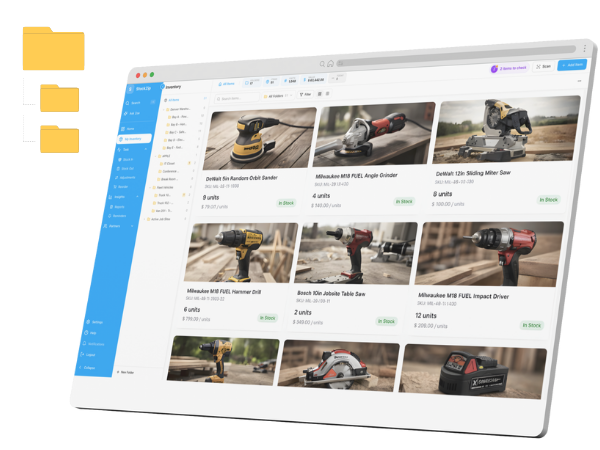
Whether you buy from distributors or wholesalers, StockZip helps you track all your inventory in one place. Manage multiple suppliers, track costs, and maintain accurate stock levels.
Frequently asked questions
What is the main difference between a wholesaler and a distributor?
Distributors have a direct relationship with manufacturers and often have exclusive territories or product lines. Wholesalers buy from multiple sources and sell to any buyer without exclusive arrangements.
What is a wholesaler?
A wholesaler buys products in bulk from various manufacturers or distributors and resells them to retailers or other businesses. They focus on volume and competitive pricing without manufacturer exclusivity.
What is a distributor?
A distributor has a formal agreement with a manufacturer to sell their products, often with exclusive rights to a territory or market. They provide additional services like marketing support and technical training.
Which should I buy from: wholesaler or distributor?
Buy from a distributor if you need manufacturer support, warranty coverage, or the latest products. Buy from a wholesaler if you prioritize price and are comfortable without manufacturer backing.
Do distributors offer better prices than wholesalers?
Not necessarily. Wholesalers may offer lower prices due to competitive sourcing. Distributors may have higher prices but include value-added services. Compare total cost including support and terms.
Can a company be both a wholesaler and a distributor?
Yes, some companies act as distributors for certain brands (with exclusive agreements) while also wholesaling other products they source from various suppliers.