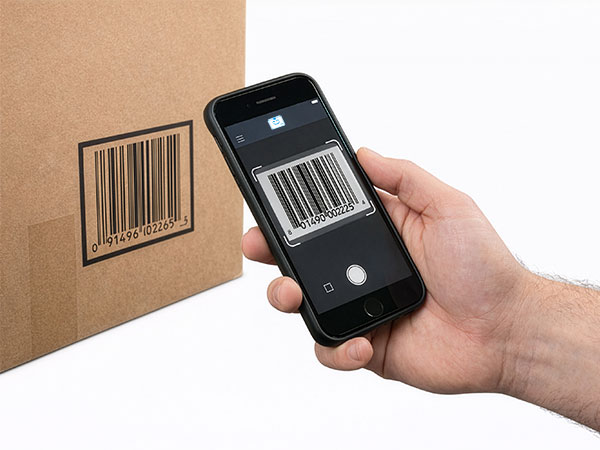

Scanning a barcode with a phone
Scan with your phone

Count, move, and find stock with the camera already in your pocket. Works offline, syncs later.

Try the live demo →
Organized stock on shelves
Switching from Sortly?

Bring folders, photos, and history over in an afternoon — with pricing that stays predictable at renewal.

See pricing →
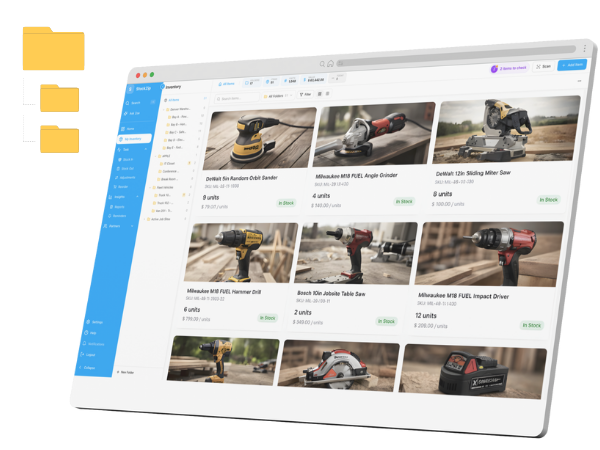
Folder-style inventory list
Free spreadsheet templates

Excel, Google Sheets, and printable count sheets — ready to download, no signup needed.

Get the templates →
Home › Features › Order management

Order management software for small teams — sales order to invoice

Order management software usually means a heavyweight ERP and a six-month rollout. StockZip stays inventory-first: run the whole chain — sales order → pick list → delivery order → invoice, plus purchase orders and receiving — so stock levels, documents, and history always agree without retyping anything between systems.

Start freeSee pricing

Free forever for 100 items · no credit card · order workflow on the Pro plan

stockzip.app
StockZip sales order list showing open orders, customers, and statuses in the order management workflow

Sales orders are the source of the chain — pick lists, delivery orders, and invoices are generated from them, so nothing is retyped between documents.

Three steps, no setup project

How it works

01 · Create the sales order

Record what the customer wants against your item list. The sales order captures the demand and becomes the single source for every later document in the chain.

02 · Pick and deliver by scanning

Generate a pick list from the sales order, fulfil it by scanning items at the shelf, then convert it to a delivery order. Picked stock is deducted from inventory automatically — no separate adjustment step to forget.

03 · Invoice from the same order

Generate the invoice straight from the sales order — no retyping line items. If a delivery fails, mark it returned and the stock comes straight back into inventory, recorded in the audit trail.

Everything you need in one place

Order management software, not an ERP

You get the inventory operations layer — the orders and the documents that move stock — at small-business pricing. Your accounting stays in QuickBooks or Xero; a QuickBooks Online sync for invoices and purchase orders is built and coming soon.

Sales order to invoice, connected

One chain: sales order → pick list → delivery order → invoice. Each document is generated from the previous one, so line items flow through instead of being retyped into a new screen.

Buy side too: POs and receiving

Build a purchase order from your item list, email it as a PDF, and receive against it line by line — full or partial. Received quantities enter stock automatically at the right location.

Stock updates are the workflow

There is no separate inventory adjustment to remember. Receiving adds stock, picking removes it, a returned delivery brings it back — quantities and paperwork always agree.

One audit trail across every document

Every receive, pick, delivery, and adjustment logs who did it, when, and against which document. When a count looks wrong, the answer is in the history — not in anyone’s memory.

Partial and backorder aware

Documents track ordered versus fulfilled quantities, so partial deliveries, partial receiving, and backorders stay visible instead of getting lost in a spreadsheet.

Frequently asked questions

What is inventory order management software?
Inventory order management software is the connected chain of documents that moves stock through a business — sales orders for what customers want, pick lists for pulling it off the shelf, delivery orders for getting it out the door, and invoices for getting paid, plus purchase orders and receiving on the buying side. In StockZip the documents themselves move the stock and write one audit trail, so counts, paperwork, and history stay in agreement.
How is this different from an ERP?
ERPs bundle accounting, manufacturing, HR, and CRM behind months of implementation and consultant fees. StockZip deliberately covers only the inventory operations layer: stock tracking plus the order documents that move stock. It is order management for small teams — the middle ground between a tracking-only app and a full ERP, at small-business pricing.
Does picking update inventory automatically?
Yes. When a pick list is fulfilled, the picked quantities are deducted from stock at the location they were picked from, and the movement is logged with who picked it and when. There is no separate “remember to adjust inventory” step — the documents are the stock movements.
Can I create purchase orders and receive stock too?
Yes. Create a purchase order with vendor, quantities, and costs, and receive against it when stock arrives — full or partial. Received quantities enter inventory automatically, so the buying side of the workflow stays as connected as the selling side.
What happens when a delivery fails or an order is returned?
Mark the delivery order as returned and the stock comes back into inventory with the return recorded in the audit trail. Partial deliveries are supported too — the documents track ordered versus fulfilled quantities, so backorders are visible instead of lost.
Which plan includes the order management workflow?
The full order workflow — sales orders, pick lists, delivery orders, invoices, purchase orders, and receiving — is on the Pro plan ($55/month, or $45/month billed annually) and Ultra. The Free and Starter plans cover inventory tracking, scanning, and low-stock alerts, not the order documents. Every new account starts with a 14-day Pro trial, so you can run one real order from sales order to invoice before paying anything.

Keep exploring

All features →

Set up your inventory in an afternoon

Free for 100 items, no credit card, and your signup price is your renewal price.

Start freeSee pricing
Free for 100 items
No credit card
Start free