
Lot Number vs Serial Number
A lot number identifies a batch of identical items manufactured together; a serial number uniquely identifies one individual item. Lots group items; serials distinguish them.
Lot Number and Serial Number
Lot Number — Batch/Group Identifier. Example: LOT-2024-0542, same number for 500+ items.
• Groups items made together
• Same lot = same production conditions
• Useful for batch recalls
• Tracks expiration dates
Serial Number — Unique Item Identifier. Example: SN-X7K9M2P4, unique to one item only.
• One number per item
• Tracks individual unit history
• Useful for warranty claims
• Enables asset lifecycle tracking
Comparison
• Scope — Lot Number: Group/batch of items. Serial Number: Individual item.
• Uniqueness — Lot Number: Shared by many items. Serial Number: Globally unique per item.
• Tracking effort — Lot Number: Lower (group level). Serial Number: Higher (item level).
• Best for — Lot Number: Perishables, chemicals, pharma. Serial Number: Electronics, equipment, assets.
• Recall precision — Lot Number: Entire batch. Serial Number: Specific unit only.
Industry Examples
Industries Using Lot Numbers:
• Food & Beverage (expiration tracking)
• Pharmaceuticals (FDA compliance)
• Cosmetics (batch recalls)
• Chemicals (safety data sheets)
• Automotive parts (production batches)
Industries Using Serial Numbers:
• Consumer electronics (warranty)
• Medical devices (patient safety)
• Heavy equipment (maintenance history)
• Vehicles (VIN tracking)
• IT assets (lifecycle management)
Track lots and serials with StockZip
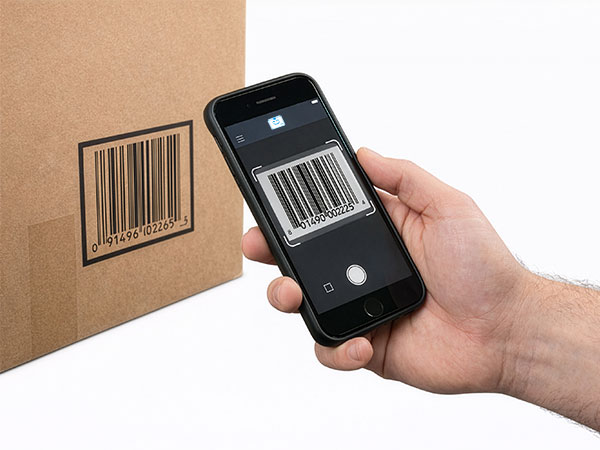
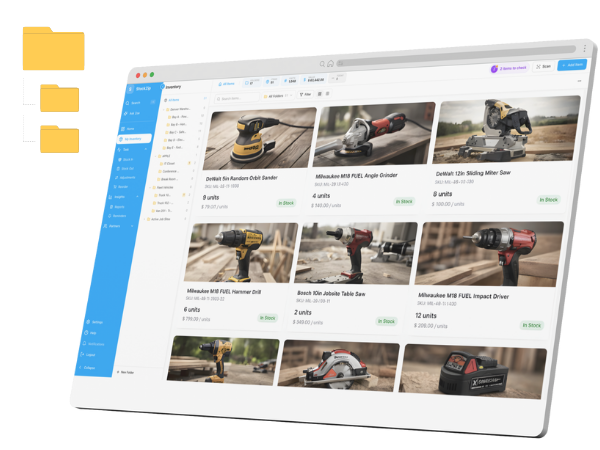
StockZip adds lot and serial number tracking on its Pro plan — scan an item, record its batch or serial, and keep full traceability for compliance and recalls. The free and Starter plans still track item quantities and movements; lot- and serial-level history is where Pro adds the per-batch and per-unit detail.
Frequently asked questions
What is the difference between lot number and serial number?
A lot number identifies a batch of identical items made together. A serial number uniquely identifies a single individual item. Lot numbers group items; serial numbers distinguish them.
What is a lot number?
A lot number (or batch number) identifies a group of products manufactured or processed together under the same conditions. All items in a lot share the same lot number.
What is a serial number?
A serial number is a unique identifier assigned to an individual item. No two items ever share the same serial number. It allows tracking of specific units throughout their lifecycle.
When should I use lot tracking?
Use lot tracking for perishables (expiration dates), regulated products (pharma, food), chemicals, and any products where you may need to recall a batch. It is simpler than serial tracking.
When should I use serial tracking?
Use serial tracking for high-value items (electronics, equipment), warrantied products, assets that need individual history, and items with specific configurations or customizations.
Can I use both lot and serial numbers?
Yes, many industries use both. A product might have a lot number (for the production batch) and a serial number (for the specific unit). This provides both batch and individual traceability.