
Retail inventory management is the work of keeping the right products available without tying up too much cash in stock that does not move.
What retail inventory management includes
Retail inventory management is the process of tracking what a store has, where it is, and when to reorder. Small stores need to receive stock accurately, keep shelf quantities current, count regularly, reorder before stockouts, and identify products that sit too long.
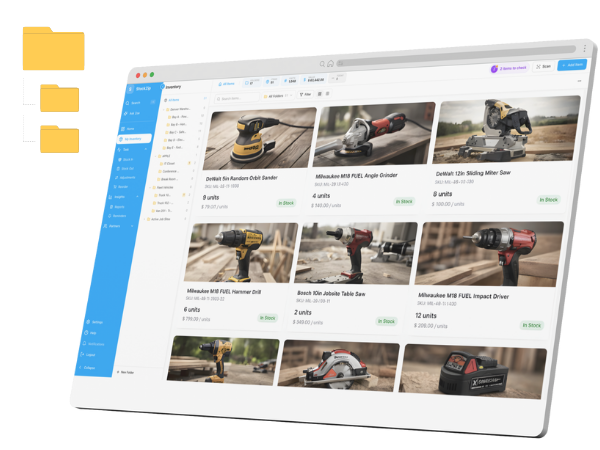
This guide is the plain-English playbook; if you are shopping for a tool, the companion StockZip retail inventory software page covers how the app handles these steps.
Retail inventory methods worth knowing
You do not need to adopt every technique, but knowing the common methods helps you match each one to the right products.
• FIFO (first in, first out): sell oldest stock first — essential for anything with a shelf life, such as food, cosmetics, or dated goods.
• Perpetual vs periodic: a perpetual system updates counts in real time as items are scanned or sold; a periodic system only updates after a physical count and drifts in between.
• Cycle counting: count a different section of the store on a rotating schedule instead of closing to count everything at once.
• ABC analysis: focus attention on the ~20% of products that drive ~80% of sales (A items), and spend less effort on slow C items.
• Just in time: keep stock lean by reordering close to when you need it — powerful for cash flow, riskier if supplier lead times are unreliable.
Metrics that tell you if it is working
Three numbers reveal most retail inventory problems: sell-through rate (how much of what you received actually sold in a period), inventory turnover (how many times you cycle stock), and shrinkage (stock lost to theft, damage, or miscounts). Track them per category, not just store-wide, so a fast-moving section does not hide a dead one.
Start with clean product data
Use consistent product names, SKU values, barcode values, supplier names, and locations. Clean product data makes every count and reorder easier.
Use reorder points instead of guesswork
A reorder point should reflect how quickly an item sells and how long it takes to restock. Fast sellers and long-lead-time items need more attention than slow-moving products.
Count smaller sections more often
Instead of closing the store for a large count, cycle count high-value and fast-moving sections weekly. Frequent small counts find problems earlier.
Know when to add software
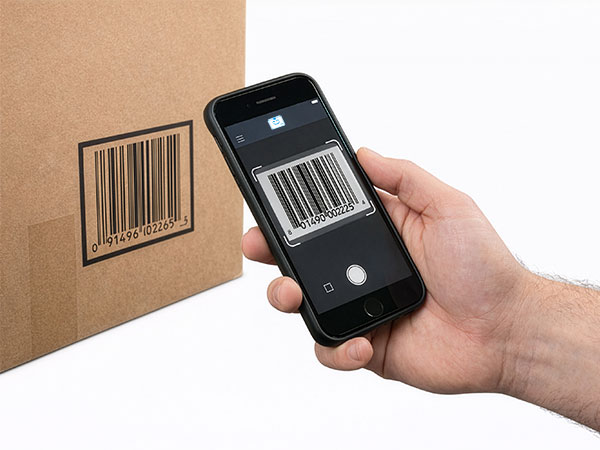
If spreadsheets are causing stockouts or staff cannot see what is available, use software with barcode scanning, low-stock alerts, and audit history.
What is retail inventory management?
Retail inventory management is the process of tracking products, receiving stock, counting quantities, replenishing shelves, and reducing stockouts or excess stock.
How often should a small store count inventory?
Count high-value or fast-moving items weekly, then count the rest monthly or quarterly depending on risk and volume.
Do small stores need barcode inventory software?
Barcode software is useful once manual updates become slow, counts are unreliable, or more than one person handles stock.
How do low-stock alerts help retail stores?
Low-stock alerts warn staff before an item runs out, giving the store time to reorder based on actual thresholds.