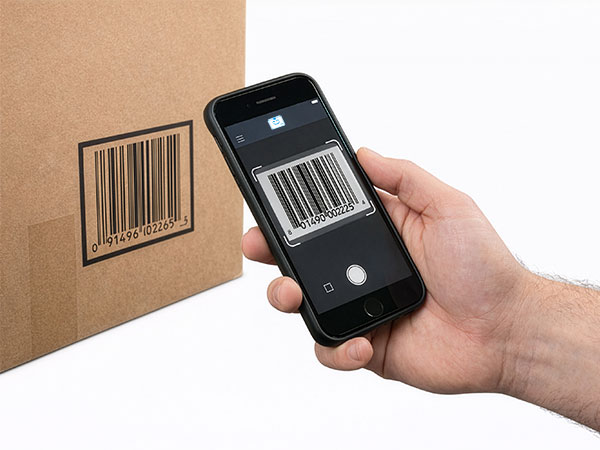

Scanning a barcode with a phone
Scan with your phone

Count, move, and find stock with the camera already in your pocket. Works offline, syncs later.

Try the live demo →
Organized stock on shelves
Switching from Sortly?

Bring folders, photos, and history over in an afternoon — with pricing that stays predictable at renewal.

See pricing →
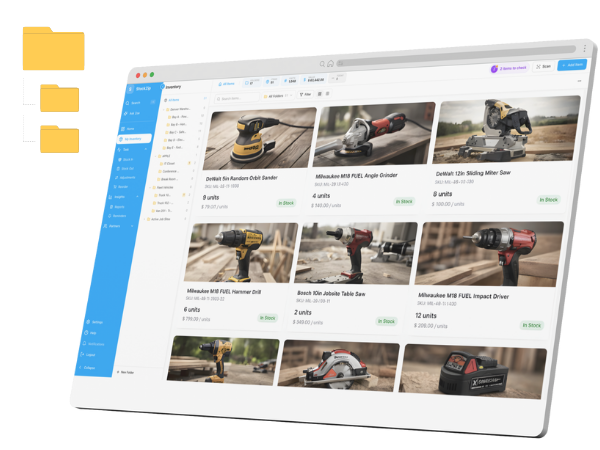
Folder-style inventory list
Free spreadsheet templates

Excel, Google Sheets, and printable count sheets — ready to download, no signup needed.

Get the templates →
Home › Industries › Automotive

Auto parts inventory software for shops and parts rooms

StockZip is auto parts inventory software for the shelf, not the whole shop. Track fast-moving parts, cores, and shop supplies by bin, scan a count on your phone, and get a heads-up before the popular filter or brake pad runs out. It is the simple step up from the parts spreadsheet — without buying a full shop-management platform to get there.

Start freeSee pricing

Free forever for 100 items · no credit card · the parts layer, not a DMS

From the ride-along

A day in the life with StockZip

7:15 AM

Open the parts room. The counter person scans the fast-mover shelf and the morning view flags three SKUs below their minimum — an oil filter, a serpentine belt, a box of cabin filters — so the distributor order goes in before the first ticket.

9:40 AM

Counter pull. A tech needs pads and rotors for a brake job. They come off Bin C-4 with a scan, the count drops, and the part is tied to the right shelf location instead of “somewhere in the back.”

11:30 AM

Core tracking. A remanufactured alternator goes in and its core is logged as its own SKU, so the dirty core waiting to go back to the supplier is counted — not lost on a bench for three weeks.

2:10 PM

Shop supplies. Brake clean, shop rags, and blue nitrile gloves drop below their minimum. Consumables surface in the low-stock view so the shop does not run dry mid-job on the stuff nobody thinks to reorder.

4:30 PM

Receiving. The afternoon distributor delivery is scanned into the parts room against what was ordered, so the shelf count is right before close and a short shipment is caught the same day.

Warehouse → van → job site → return

How the work flows

01 · Turn the parts room into folders and bins

Each shelf, rack, and bin is a folder, and a multi-bay or multi-location shop nests them under each site. Print a QR label per bin so any part can be scanned to the shelf it actually lives on — no more hunting the back room.

02 · Load the catalog and set minimums

Import your parts list by CSV or scan items in, and put a part number and shelf location on each record. Set a minimum on the fast movers — filters, pads, belts, fluids — so shortages surface before a tech is waiting on a part mid-job.

03 · Count, pull, and track cores on the phone

Parts come off the shelf with a scan as they go onto a job, and cores are tracked as their own SKU so the return to the supplier is counted. Check reusable shop tools — scan guns, torque wrenches, specialty pullers — out to a bay so a missing tool has an audit trail. Tool check-in / check-out is on the Starter plan and up.

04 · Receive deliveries and reorder

Scan distributor deliveries into the parts room, catch short shipments the same day, and work from the low-stock and reorder view so the popular parts are on the shelf before the next appointment. The Low Stock report and reorder tasks are on the paid plans.

Frequently asked questions

How do auto shops track parts inventory?
Make a folder for each shelf and bin, put a part number and shelf location on each record, and scan parts in when they arrive and out when they go on a job. You get a live count by bin and a heads-up before the fast movers run out, without keeping a mental map of the back room.
Do I need auto parts inventory software, or is a spreadsheet enough?
A spreadsheet works until two people edit it, a part gets pulled without an update, and the count drifts. StockZip is the simple step up: scan parts in and out on a phone so the count stays right, set minimums so you reorder before you run out, and keep a shelf location on every part. It is lighter than a full shop-management platform and free to start.
Is StockZip a shop management system or DMS?
No. StockZip is the parts and shop-supply inventory layer — it tracks what is on the shelf, where, and when it runs low. It does not write repair orders, book labor, run a point of sale, or look parts up by VIN. Keep your DMS or shop-management system for tickets and billing; use StockZip to keep the parts room honest.
Can I track cores and shop supplies, not just sellable parts?
Yes. Track a core as its own SKU so remanufactured-part returns are counted instead of lost, and track shop supplies — brake clean, rags, gloves, fluids — with their own minimums so the shop does not run dry on consumables mid-job.
Can I check shop tools out to a tech or bay?
Yes. Check reusable tools — scan tools, torque wrenches, specialty pullers — out to a technician or bay, and check them back in when they return. StockZip logs who had the tool and when, so a missing tool has a trail instead of a shrug. Tool check-in / check-out is on the Starter plan and up — see pricing for the tier.
Can I set low-stock alerts for fast-moving parts?
Set a minimum on any part, and different minimums by location so each bay or store stays stocked. Parts at or below their minimum surface in low-stock views and reorder suggestions. Setting a minimum works on every plan; the Low Stock report and reorder-suggestion tasks are part of the paid plans — see pricing for the tier.
Free template

Free inventory spreadsheet template

Not ready to set up an app yet? Start with the free inventory spreadsheet — a parts-room count sheet you can fill in today and import into StockZip later.

Get the template

Keep exploring

All industries →

Get every van stocked in an afternoon

Free for 100 items, no credit card, and your signup price is your renewal price.

Start freeSee pricing
Free for 100 items
No credit card
Start free