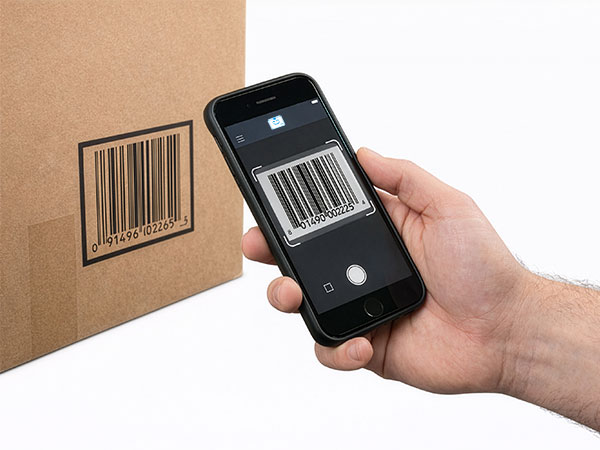

Scanning a barcode with a phone
Scan with your phone

Count, move, and find stock with the camera already in your pocket. Works offline, syncs later.

Try the live demo →
Organized stock on shelves
Switching from Sortly?

Bring folders, photos, and history over in an afternoon — with pricing that stays predictable at renewal.

See pricing →
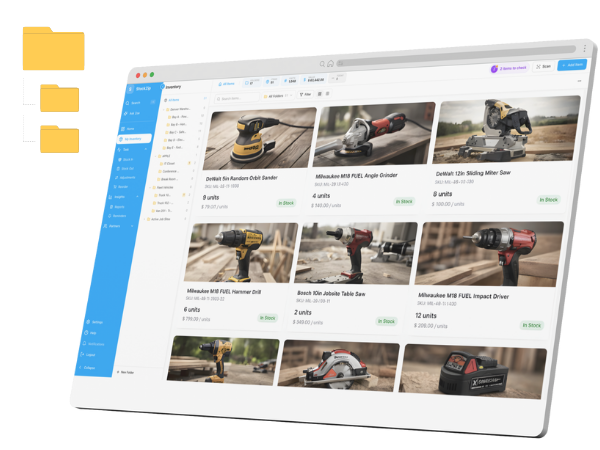
Folder-style inventory list
Free spreadsheet templates

Excel, Google Sheets, and printable count sheets — ready to download, no signup needed.

Get the templates →
Home › Learn › Templates › Restaurant inventory sheet

Free restaurant inventory sheet template — printable food count sheet

A working food count sheet for the walk-in and the dry store: count on-hand stock by category, set a par level for each item, and flag anything to reorder — in one fixed order, every time. Print it for the clipboard or fill it in on screen. No email, no watermark.

Jump to the printable sheet

Free · no email required · print or fill in · updated July 2026

For the walk-in door

The printable food count sheet

This is the whole template — right here on the page, free and un-gated. Print it for the clipboard, or use the field guide below to rebuild it in any spreadsheet. No download, no email, nothing to unzip.

  • A Par column so every count is measured against a target, not guessed
  • Category + unit columns so two people always count the same way
  • Blank rows sized to write in with a pen on a clipboard
Opens your browser print dialog
FOOD INVENTORY COUNT SHEETPage 1 of 1
Store: Date: Counted by: Shift:
ItemCat.UnitParOn handOrder
stockzip.app/learn/templates — free to copy and share

What goes on a restaurant inventory sheet

Seven columns capture everything a usable food count needs — the par level and the fixed counting unit are what turn a plain shopping list into a real inventory sheet.

ColumnWhat it capturesExample
ItemThe product being countedRoma tomatoes
CategoryProduce · dairy · dry · frozen · beverageProduce
UnitThe one unit you always count this item inCase (25 lb)
ParAmount you want on hand at start of service3
On handWhat you actually counted today1
Reorder?Tick when on hand is below par✓ (order 2)
SupplierWho you buy it from — speeds up orderingSysco

The categories a kitchen counts

Count in this order, every time — one walk through the walk-in, freezer and dry store so nothing gets missed and nobody counts the same shelf twice.

Produce

Fresh fruit and veg — counts change daily; count first while it is front of mind.

Dairy & eggs

Milk, butter, cheese, eggs — high turnover, watch use-by dates as you count.

Dry & canned

Flour, oil, pasta, canned goods, spices — the dry-store shelves, counted by case or each.

Frozen

Proteins and frozen prep — count the freezer in one pass so nothing thaws waiting.

Beverage & bar

Soft drinks, beer, wine, spirits — high value, count last and count carefully.

Common inventory sheet mistakes

No par level — Without a par there is nothing to count against — you are guessing the order every week.
Changing the unit — Counting cases one week and cans the next makes the trend meaningless. One unit per item, always.
Counting in a random order — A different route each time means missed shelves and numbers that never reconcile.
Counting during service — Stock moves while you count. Count before open or after close, not mid-rush.
Never comparing weeks — A count you file and forget tells you nothing. Same items, same day, so the numbers line up.

How to use these templates

1
Set a par level for every item first
The par is the amount you want on hand at the start of service. Fill the Par column once; it is the number every count is measured against.
2
Count in one fixed order
Walk the walk-in, then the freezer, then the dry store the same way every time. A fixed route is how two people get the same number.
3
Always count in the same unit
Cases, each, or weight — pick one unit per item and stick to it. Mixing “2 cases” one week and “18 cans” the next makes the sheet useless.
4
Reorder anything below par
On hand under par means the Reorder column gets a tick. Hand that column to whoever places the order — no guessing from memory.

Template questions

What should a restaurant inventory sheet include?
At minimum: the item, its category (produce, dairy, dry, frozen, beverage), the counting unit, a par level, the on-hand count and a reorder flag. Adding the supplier and last cost turns the same sheet into an ordering and food-cost tool. The par level and the fixed counting unit are what separate a real inventory sheet from a plain shopping list.
What is a par level and why does every row need one?
A par level is the amount of an item you want on hand at the start of service — enough to get through to the next delivery without running out or over-ordering. Counting on-hand against par is what tells you exactly how much to reorder, instead of eyeballing the shelf.
How often should a restaurant take inventory?
Count high-cost and fast-moving items (proteins, produce, alcohol) weekly, and do a full count at least monthly to close the books on food cost. Counting the same items in the same order at the same time each week is what makes the numbers comparable.
When should I stop using a paper inventory sheet?
When counts stop matching, when you want food-cost trends over time, or when more than one person needs the sheet at once. That is usually the point where scanning items to count them — with the totals stored and searchable — pays for itself.

Skip the clipboard — scan the walk-in to count it

StockZip lets you organise stock into folders (walk-in, freezer, dry store), scan each item to update the count, and set a low-stock level so anything under par flags itself. Photo-tag the shelf so new staff count the right thing. Free for your first 100 items — no card.

Start freeInventory for small business

Keep exploring

All templates →
Free restaurant inventory sheet
Print it — no email
Jump to the sheet